How to Choose the Right Pipe Relining Material for Your Home
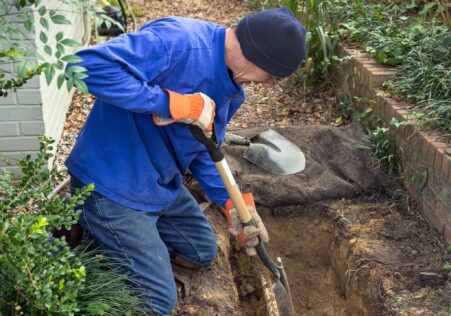
Maintaining your plumbing in good working order is vital but the pipes could become worn-out over time. The standard method of replacing them is to dig up and removing the old pipes. This process can be messy and expensive. Luckily, pipe relining offers an even alternative that is more cost-effective and convenient option.
Key Takeaways
- Relining pipes is an affordable alternative to traditional replacement of pipes methods
- Making the right choice of pipe relining material is crucial for longevity and efficiency
- Some considerations when selecting pipe relining materials include surroundings, flow capacity cost, durability, and maintenance
- The types of materials used for pipe relining include Cured-in-Place Pipe (CIPP), Fiberglass Pipe Lining, and Cast Iron Pipe Lining.
- Relining pipes results in a new "pipe inside the pipe" that allows for full functionality, without removal of the existing pipes.
With so many types of pipe relining materials available it is crucial to select the best one. This guide will help you comprehend what factors to consider when choosing the pipe relining materials that suits your needs and budget.
What exactly is Pipe Relining?
Before we get into the best pipe relining material, let’s quickly look at what it is.
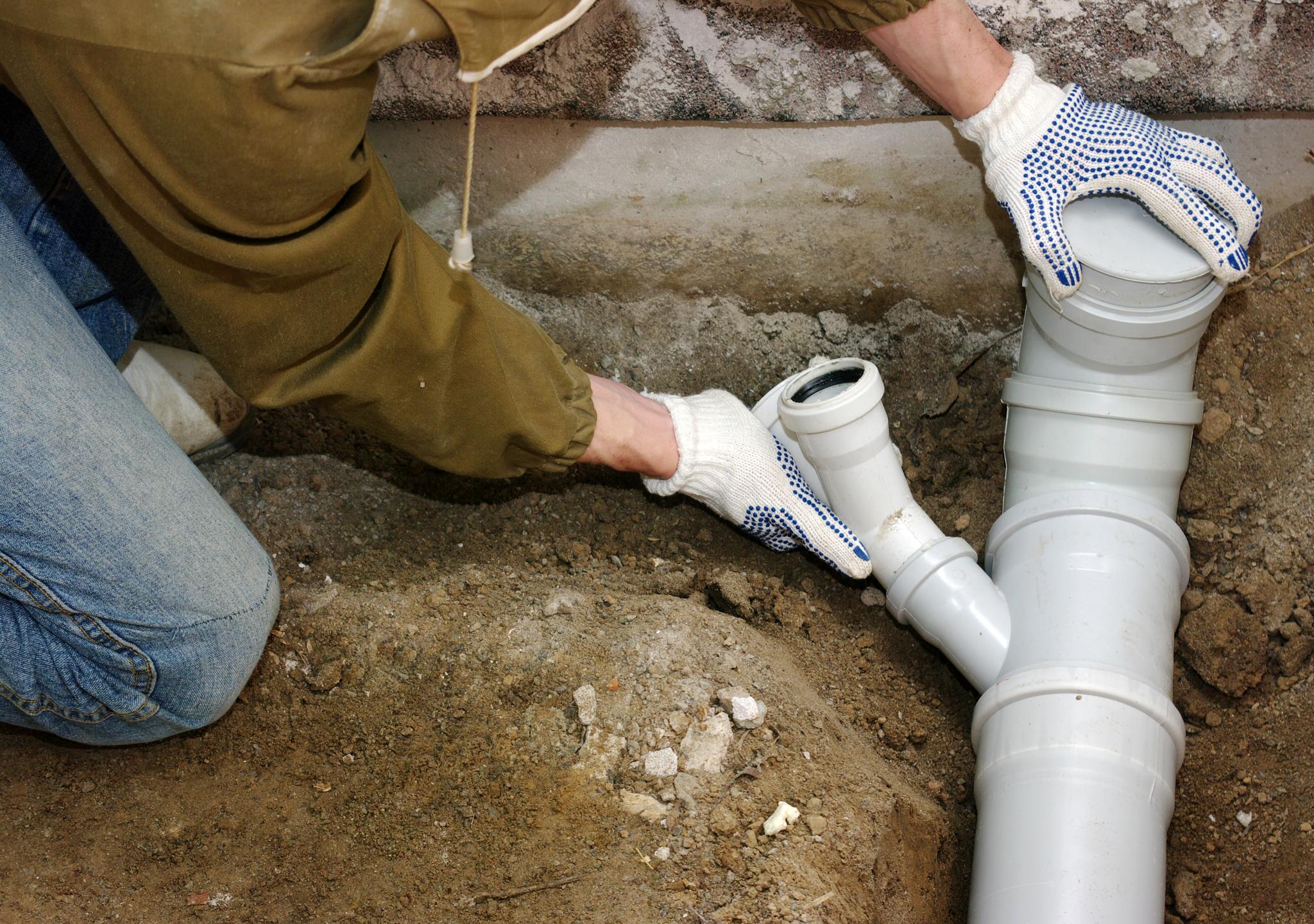
Pipe relining is an operation that involves inserting an epoxy liner in damaged or damaged sewer lines, water mains or other underground piping system to prevent leaks and root infiltration. It essentially creates a new "pipe inside a pipe" that assists in restoring full functionality without the removal of the existing pipes.
The benefits of relining pipes include:
- Minimizes excavation works
- Reduces the cost that are associated with traditional methods
- Less messy compared to excavation
There are many advantages but selecting the appropriate material for the lining is crucial in terms of effectiveness and durability.
Considerations When Choosing Pipe Relining Materials
- Environment A single of essential things that you must consider when selecting an appropriate pipe lining material must be the surroundings. The external environment determines how long the lining is protected from any the effects of chemicals as well as humid conditions.
- The capacity of a flow: A capacity for flow would refer to the volume of liquid that flows effortlessly through the plumbing after the installation of new liners.
- Durability: Durability determines how long it will last when exposed to tough environments like excess amounts of moisture, chemicals and other extreme conditions.
Costs
Additional Information
- The Advantage of CCTV Drain Inspection in Detecting Root Infiltration Early
- CCTV Drain Inspections: Why They are Crucial in Detecting Drain Blockages
- DIY Tips for Unclogging Your Shower Drain Without Harsh Chemicals
- Saving Time and Money with CCTV Drain Inspection for Drain Clearing
- The Dangers of Using Chemical Drain Unblockers
- Pipe Relining: A Smart Investment for Your Property
- From Clearing Clutter to Securing Access Points: The Preparations You Need for a Successful CCTV Drain Inspection
- The Ultimate Guide to Drain Clearing Services
- The Importance of CCTV Drain Inspection in Commercial Properties
- Reducing the Risks of Drainage Problems: How CCTV Drain Inspection Can Help